
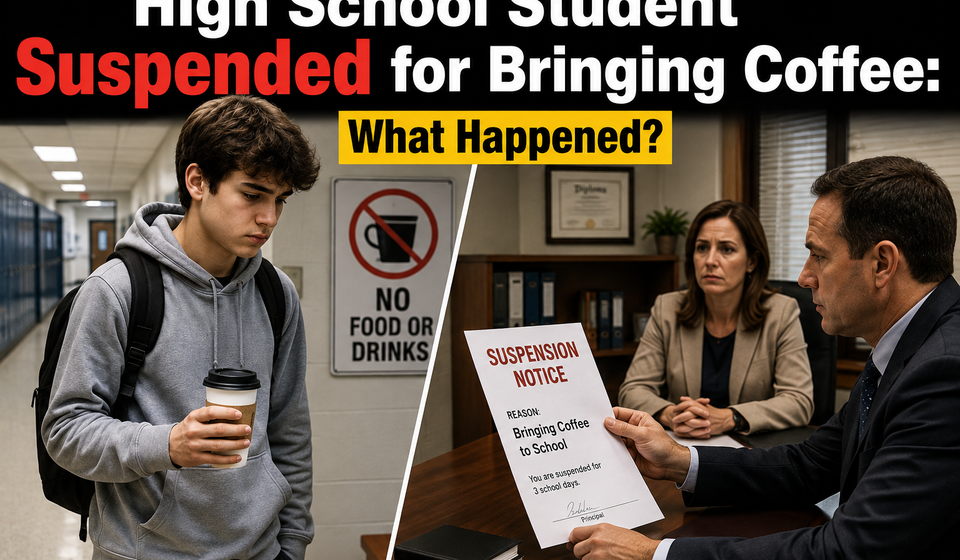


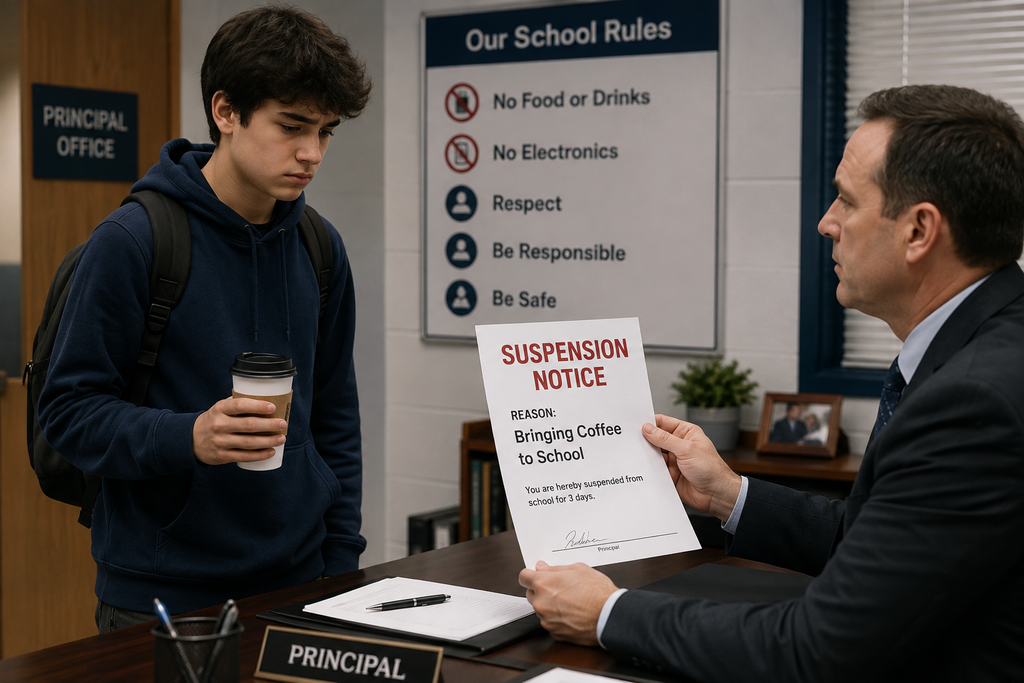
High School Student Suspended for Bringing Coffee: 7 Shocking Details You Should Know
High School Student Suspended for Bringing Coffee after refusing to throw it away sparked debate over school rules, student discipline
Table of Contents
- Introduction
- High School Student Suspended for Bringing Coffee: What Happened?
- Why Was the Student Suspended?
- School Rules and Student Discipline
- Why the Coffee Incident Sparked Debate
- Student Rights and School Policies
- How Schools Can Handle Similar Situations
- What Parents and Students Should Know
- Frequently Asked Questions
- Final Thoughts
Introduction
High School Student Suspended for Bringing Coffee is the kind of school-related story that can quickly attract attention because the punishment appears disproportionate to the behavior described.
According to the account behind the story, a high school student arrived on the first day of class carrying coffee and was reportedly instructed to throw the drink away. The student refused, and the situation allegedly resulted in a suspension.
The incident raises broader questions about school rules, student discipline, authority, and how schools should respond when students violate relatively minor policies.
Because individual school policies and the details of reported incidents can vary, readers should distinguish between confirmed information and claims circulating online.
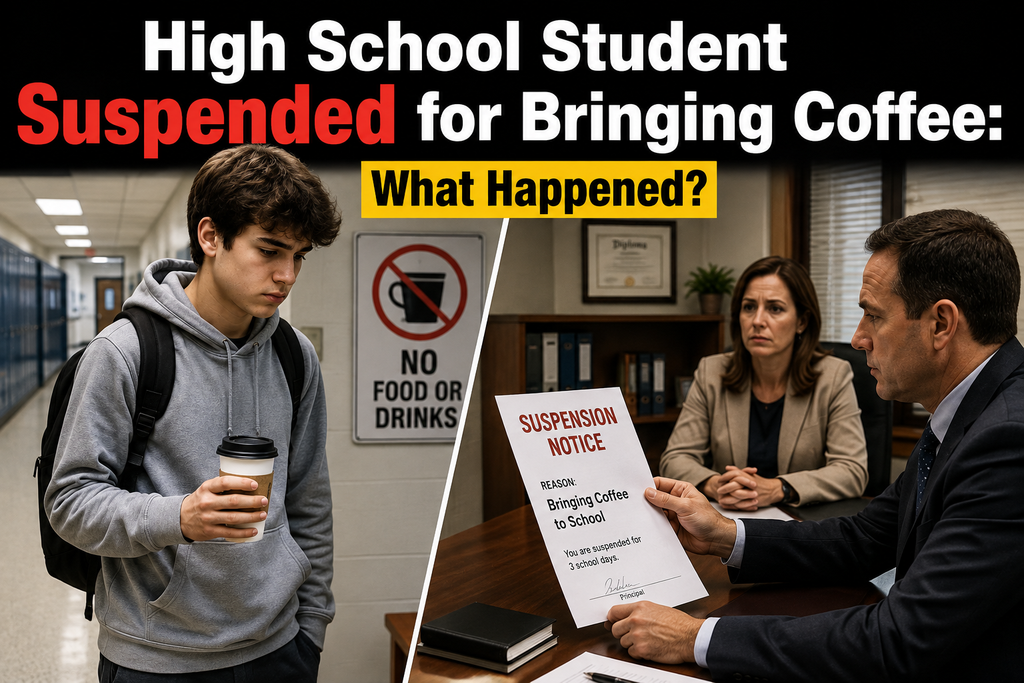
High School Student Suspended for Bringing Coffee: What Happened?
The central claim is that a high school student was suspended on the first day of class after bringing coffee to school and refusing to discard it when instructed.
At first glance, the incident may seem to be about coffee. However, school administrators may view refusal to follow a direct instruction differently from simply possessing a beverage.
This distinction is important.
A school might have a rule restricting food or drinks in classrooms, or it might have a broader policy concerning compliance with staff instructions.
If a student refuses a reasonable directive, administrators may consider the refusal itself when deciding on disciplinary action.
The exact circumstances—including the school’s written policy, what the student was told, and the length of the suspension—should therefore be verified from reliable reporting or an official statement before presenting them as established facts.
Why Was the Student Suspended?
The reported incident appears to involve two separate issues:
- Bringing coffee to school
- Refusing to throw the coffee away
These two actions can have different implications under a school’s disciplinary system.
A school may have a policy that prohibits beverages in classrooms for reasons involving cleanliness, allergies, spills, classroom management, or other concerns.
However, the response to a rule violation can depend on the school’s code of conduct.
If the student’s refusal was considered defiance or insubordination, administrators may have treated it as a more serious issue than simply bringing a drink.
This is why understanding the school’s official disciplinary policy is essential.
School Rules and Student Discipline
Schools generally establish rules to create a safe and orderly learning environment.
Rules can cover areas such as:
- Classroom behavior
- Attendance
- Cellphone use
- Food and beverages
- Dress codes
- Bullying
- Academic conduct
- Disruptive behavior
- Compliance with staff instructions
Disciplinary consequences can range from a warning or detention to suspension, depending on the circumstances and applicable policies.
The U.S. Department of Education provides information about education policy and student-related issues, although disciplinary rules themselves are generally established by individual school districts and states.
For this reason, there is no universal rule saying that bringing coffee to a high school automatically results in suspension.
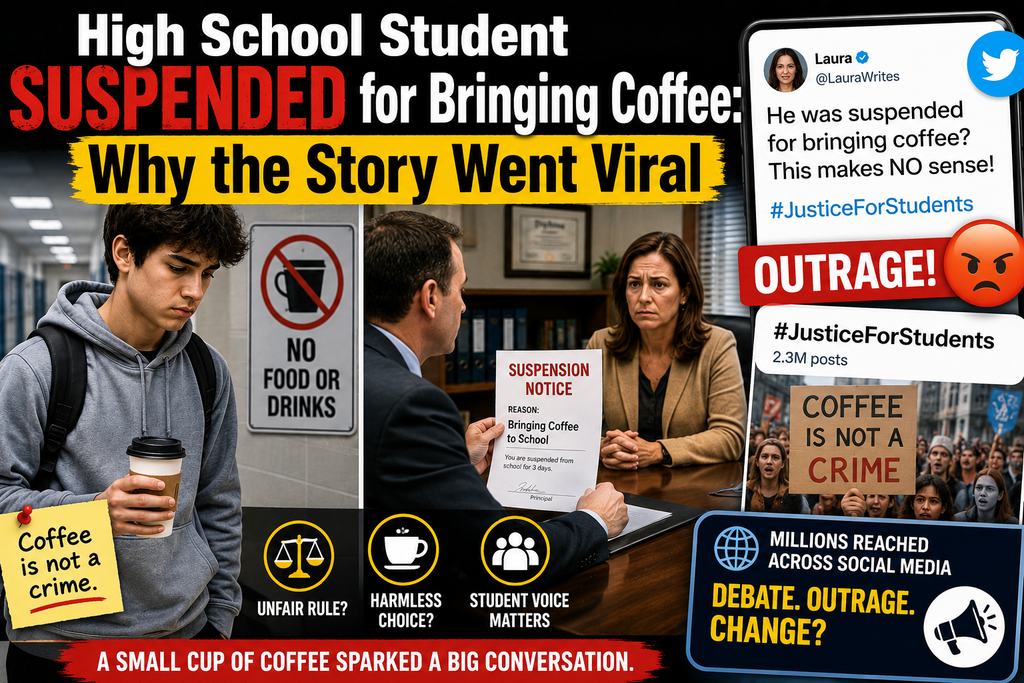
High School Student Suspended for Bringing Coffee: Why the Story Went Viral
The story is likely to attract attention because many people consider coffee a relatively ordinary beverage.
Adults routinely drink coffee at work, while students may also consume coffee before or during school.
That creates an intuitive question:
Should bringing a drink to school justify such a serious punishment?
The answer depends on the actual policy and circumstances.
Some readers may focus on the coffee itself and argue that the punishment is excessive.
Others may focus on the student’s reported refusal to comply with a staff member and argue that schools need authority to enforce their rules.
These different perspectives explain why seemingly minor disciplinary incidents can generate significant online discussion.
Student Rights and School Policies
Students have rights, but those rights exist within the legal and policy framework governing their school.
Public schools in the United States must comply with applicable federal and state laws, as well as district policies.
At the same time, schools generally have authority to establish reasonable rules concerning student conduct.
Parents and students who disagree with a disciplinary decision can review the school’s student handbook or code of conduct and learn about available appeal or grievance procedures.
The U.S. Department of Education Office for Civil Rights provides information about students’ civil rights in educational settings.
Importantly, a disagreement with a school rule does not necessarily mean that the rule is unlawful.

How Schools Can Handle Similar Situations
A coffee-related incident demonstrates why proportional discipline can be important.
For a minor first-time violation, a school might consider measures such as:
Verbal Reminder
A teacher can explain the classroom rule and ask the student to comply.
Warning
If the student makes a mistake, a formal or informal warning may resolve the issue.
Parent Communication
Parents or guardians can be informed when a student’s behavior repeatedly violates school rules.
Detention or Other Consequences
Schools may use consequences established in their disciplinary policies.
Suspension
Suspension is generally a much more serious disciplinary response and may be considered when behavior meets the school’s criteria for that level of punishment.
The appropriate response depends on the school’s rules and the circumstances of the incident.
Why Clear Rules Matter
School rules work best when students understand them before problems occur.
A clear student handbook should explain:
- What students may bring to school
- Where food and beverages are permitted
- What happens after a first violation
- What constitutes defiance
- How disciplinary decisions are made
- How students or parents can appeal decisions
Clear policies can reduce confusion and help students understand the consequences of their actions.
What Parents and Students Should Know
If a student receives a suspension over an incident involving a relatively minor rule, parents should obtain the facts before making assumptions.
Useful questions include:
- What written rule was allegedly violated?
- Was the student given a direct instruction?
- What exactly happened after the instruction?
- What disciplinary policy applies?
- Was this the student’s first violation?
- How long is the suspension?
- Is there an appeal or review process?
The answers can provide much more context than a short viral headline.
Students should also understand that challenging a rule respectfully is different from refusing to follow a reasonable instruction in the moment.
If a student believes a rule is unfair, the appropriate response may be to follow the immediate instruction and raise the concern afterward through the school’s established process.
The Bigger Conversation About School Discipline
The reported coffee incident also connects to a larger discussion about how schools should discipline students.
Critics of strict disciplinary policies often argue that excessive punishment can create unnecessary conflict between students and administrators.
Supporters of firm enforcement argue that teachers need authority to maintain an orderly classroom.
Both perspectives highlight an important principle: discipline should be consistent, understandable, and proportionate to the behavior involved.
A school environment requires rules, but students and families also benefit when those rules are transparent and applied consistently.
Frequently Asked Questions
Why was the high school student reportedly suspended?
The reported account says the student brought coffee and refused to throw it away after being instructed to do so. The precise disciplinary basis should be confirmed through the school’s policy or reliable reporting.
Can a school prohibit students from bringing coffee?
Yes, a school may establish rules concerning food and beverages, subject to applicable laws and policies. The specific rule depends on the school or district.
Is bringing coffee automatically grounds for suspension?
Not necessarily. There is no universal rule that makes bringing coffee to school an automatic suspension offense. The consequences depend on the school’s policies and the circumstances.
Why might refusing an instruction matter?
A school may treat refusal to follow a staff instruction as a separate disciplinary issue from the original rule violation.
Can parents challenge a suspension?
Depending on the school district and applicable rules, parents may have procedures for reviewing or appealing disciplinary decisions. They should consult the school’s code of conduct and disciplinary notice.
Should students refuse to follow rules they believe are unfair?
Students can raise concerns about rules, but refusing a direct instruction may create additional disciplinary consequences. A student can generally ask questions respectfully and use the school’s complaint or appeal process.
Where can parents find the school’s rules?
The student handbook, school district website, code of conduct, or administration office should provide information about applicable policies.Dollas cowboys
Final Thoughts
The High School Student Suspended for Bringing Coffee story illustrates how a seemingly small classroom disagreement can become a larger conversation about school discipline and student behavior.
The important distinction is between the beverage itself and the reported refusal to follow an instruction.
Before judging the incident, readers should look for the school’s actual policy, the student’s version of events, the administration’s explanation, and reliable reporting.
Ultimately, schools need clear rules and students need to understand those rules. When disagreements occur, transparent disciplinary procedures and respectful communication can help prevent minor conflicts from escalating.
Editorial note: This article discusses a reported incident. Details should be independently verified against reliable news reporting or official statements before publication as confirmed fact.