


Hemophilia: Symptoms, Causes, Types, Treatment, Prevention and Complete Health Guide (2026)
Introduction
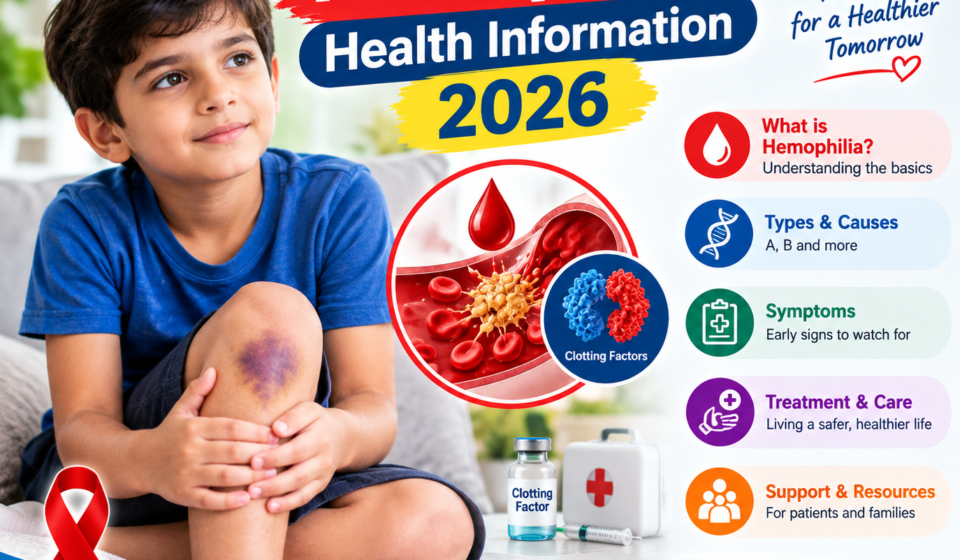
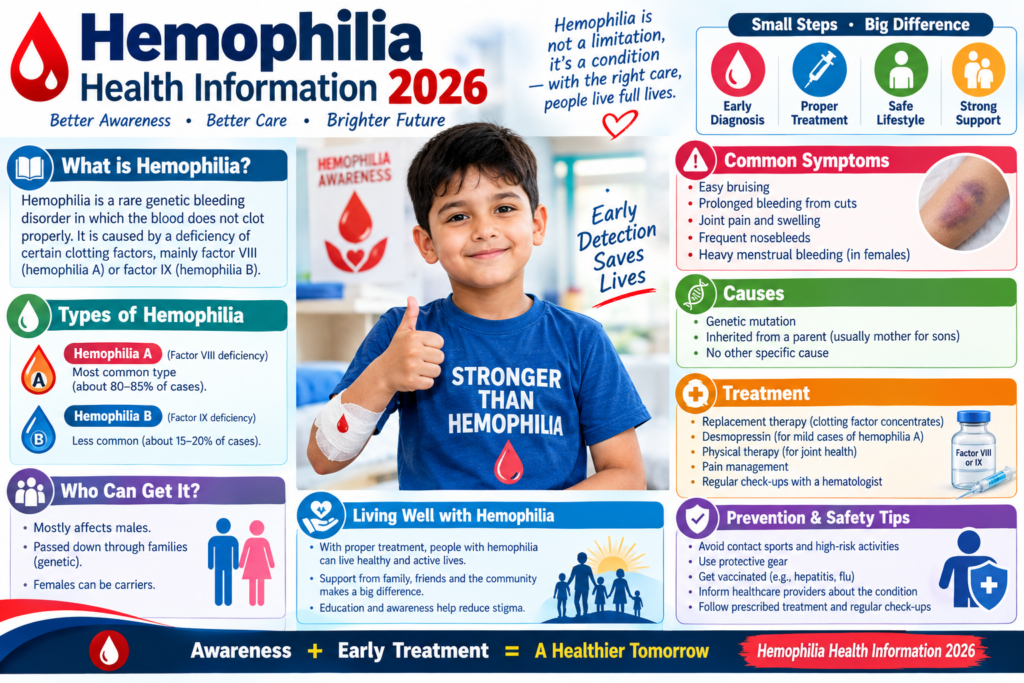
Hemophilia is a rare genetic bleeding disorder that affects the body’s ability to form blood clots properly. Blood clotting is an essential process that helps stop bleeding after an injury. In people with hemophilia, certain proteins called clotting factors are missing or present at low levels, making it harder for the body to stop bleeding.
People with hemophilia may experience prolonged bleeding after injuries, dental procedures, or surgery. Some individuals may also experience spontaneous bleeding into joints and muscles, even without a noticeable injury. Severe cases can lead to serious complications if bleeding is not recognized and treated promptly.
Hemophilia most commonly occurs because of genetic changes that affect the production of specific clotting factors. Although it is often inherited, some people develop the condition because of a new genetic change or, less commonly, an autoimmune process.
There is currently no widely available permanent cure for inherited hemophilia, but modern treatments can help prevent bleeding, manage symptoms, and improve quality of life. With appropriate medical care, many people with hemophilia can attend school, work, participate in suitable physical activities, and live fulfilling lives.
This article explains the symptoms, causes, types, diagnosis, treatment options, possible complications, and prevention strategies associated with hemophilia.
Everything you need for World Hemophilia Day 2026
1. What Is Hemophilia?
Hemophilia is a bleeding disorder in which the blood does not clot normally because the body has insufficient amounts of a particular clotting factor.
Normally, when a blood vessel is damaged, platelets gather at the injured site and work with clotting proteins to create a stable clot. This process helps prevent excessive blood loss.
In hemophilia, the clotting process is impaired because one of the essential clotting factors is deficient or does not function properly.
The two most common forms are hemophilia A and hemophilia B.
- Hemophilia A: Caused by a deficiency of clotting factor VIII.
- Hemophilia B: Caused by a deficiency of clotting factor IX.
The severity of hemophilia depends largely on the amount of functional clotting factor in the blood.
Some people have mild hemophilia and experience bleeding mainly after surgery, dental treatment, or significant injuries. Others have moderate or severe hemophilia and may experience bleeding more frequently, including bleeding into joints or muscles.
Hemophilia is not contagious. A person cannot catch it through physical contact, sharing food, or being near someone who has the condition.
2. Types of Hemophilia
There are several forms of hemophilia, but types A and B are the most common.
Hemophilia A
Hemophilia A occurs when the body has too little functional clotting factor VIII.
It is the most common type of inherited hemophilia. Symptoms range from mild to severe, depending on factor VIII activity.
People with severe hemophilia A may experience repeated bleeding into joints and muscles. Preventive treatment can substantially reduce these episodes.
Hemophilia B
Hemophilia B occurs when the body has too little functional clotting factor IX.
It is also known as Christmas disease, a historical medical name unrelated to the holiday.
Its symptoms can resemble those of hemophilia A. Blood tests are required to distinguish between the two conditions because their treatment options can differ.
Acquired Hemophilia
Acquired hemophilia is a rare condition in which the immune system produces antibodies that interfere with a person’s own clotting factor, most often factor VIII.
Unlike inherited hemophilia, acquired hemophilia can develop in someone without a previous personal or family history of a bleeding disorder.
It can occur in association with certain autoimmune conditions, cancers, pregnancy, or other medical circumstances. In some cases, the cause remains unknown.
Acquired hemophilia can cause serious bleeding and requires prompt assessment by a medical specialist.Hemophilia health information 2026
3. Symptoms of Hemophilia
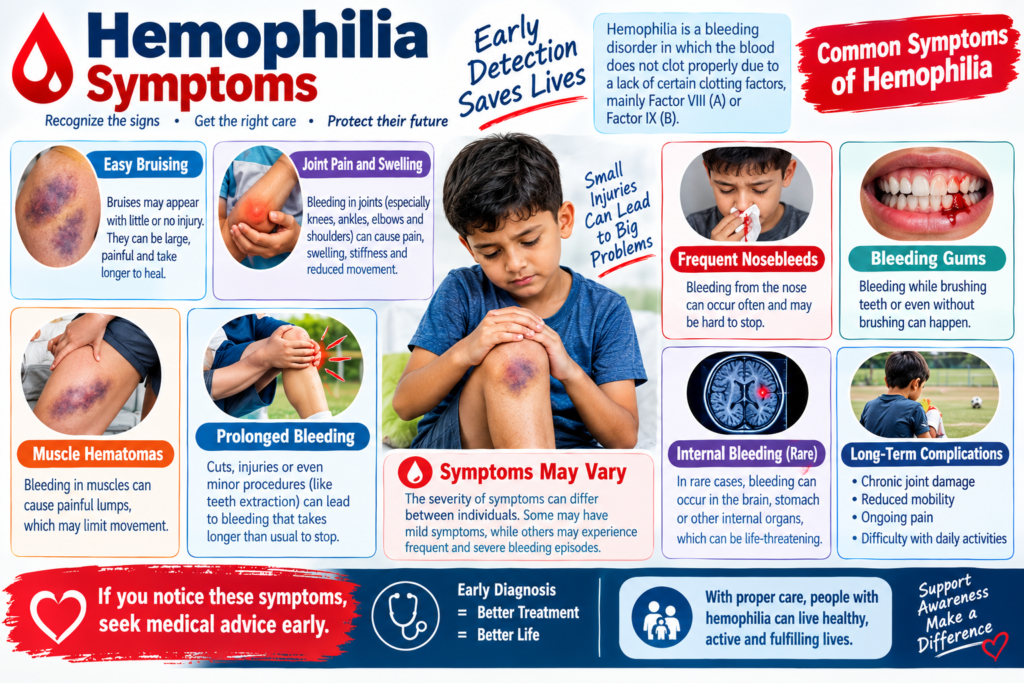
The symptoms of hemophilia depend on the severity of the condition and the location of the bleeding.
Common signs and symptoms include:
- Bleeding that continues longer than expected after an injury.
- Frequent or unexplained bruising.
- Large bruises after minor bumps.
- Repeated nosebleeds.
- Prolonged bleeding after dental procedures.
- Excessive bleeding following surgery.
- Blood in the urine.
- Blood in the stool.
- Pain or swelling in the joints.
- Muscle pain and swelling.
- Bleeding that occurs without an obvious injury in severe cases.
In children, symptoms may become noticeable when they begin crawling, walking, or engaging in activities that cause bumps and falls.
Bleeding into joints, particularly the knees, ankles, and elbows, is a common concern in severe hemophilia. Repeated joint bleeding can damage cartilage and lead to chronic pain and reduced movement.
Not everyone with hemophilia experiences all these symptoms. Some people with mild disease may not discover they have the condition until they undergo surgery or experience a significant injury.
Warning Signs Requiring Emergency Care
Seek emergency medical attention if a person with known or suspected hemophilia experiences:
- A head injury, even if the initial symptoms appear mild.
- A severe or persistent headache after an injury.
- Sudden weakness, confusion, vomiting, or unusual drowsiness.
- Severe abdominal pain.Hemophilia health information 2026
- Significant bleeding that does not stop.
- Difficulty breathing or swallowing after an injury.
- Sudden severe joint or muscle swelling.
Bleeding inside the skull or other internal organs can be life-threatening. Do not wait for symptoms to worsen before seeking urgent medical care.
4. Causes of Hemophilia
Hemophilia can develop because of inherited genetic changes or, in acquired hemophilia, because the immune system interferes with clotting proteins.
Genetic Causes
Hemophilia A and B are usually caused by changes in genes that provide instructions for making clotting factor VIII or factor IX.
These genes are located on the X chromosome.
Because males typically have one X chromosome, a disease-causing change in the relevant gene can result in hemophilia. Females typically have two X chromosomes and may carry the genetic change without having severe symptoms.
However, females can also experience low clotting-factor levels and clinically significant bleeding. Some females with hemophilia have symptoms similar to those experienced by males.
Family History
Hemophilia often runs in families. A parent carrying a disease-causing genetic change may pass it to their children.
However, not every person with hemophilia has a known family history. In some cases, the genetic change develops for the first time in the affected individual.
Acquired Causes
Acquired hemophilia is caused by antibodies that interfere with normal clotting.
It is not typically inherited in the same way as hemophilia A or B.
A specialist can perform blood tests to determine the underlying cause and identify an appropriate treatment plan.
5. Risk Factors for Hemophilia
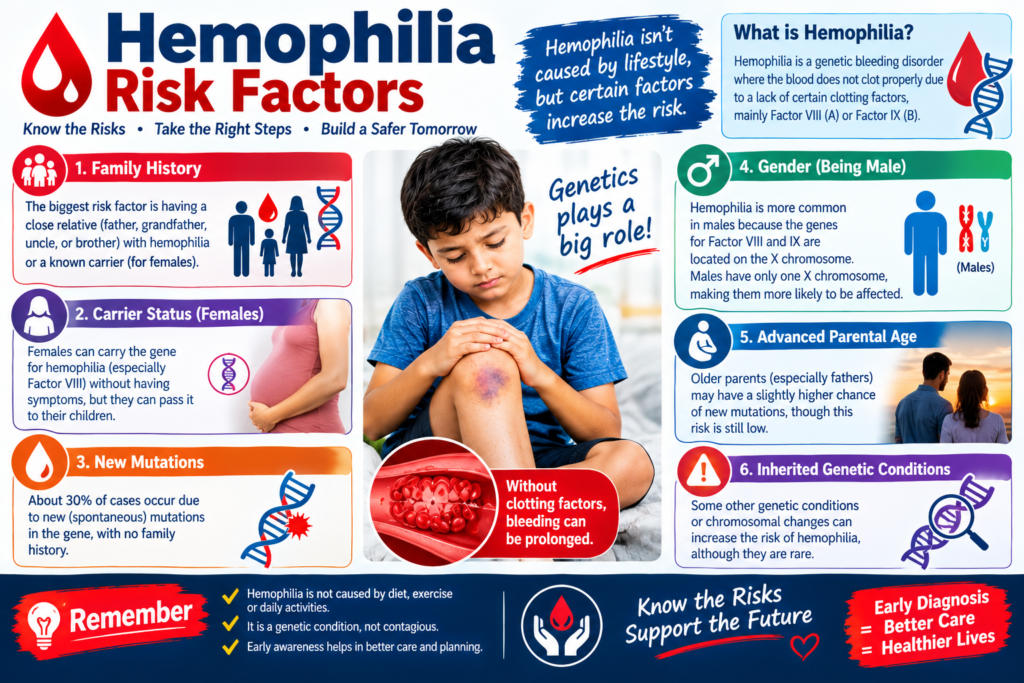
Several factors may increase the likelihood of inherited hemophilia.
Family history: Having relatives with hemophilia increases the likelihood of inheriting the condition.
Genetic changes: A disease-causing change in the factor VIII or factor IX gene can lead to hemophilia.
Sex chromosomes: Hemophilia A and B are usually X-linked conditions and therefore affect males more frequently, although females can also be affected.
New genetic changes: Some individuals develop hemophilia even when there is no known family history.
Acquired hemophilia has different risk factors. It can develop in older adults, during or after pregnancy, or in association with certain underlying illnesses. However, it can also occur without an identifiable risk factor.
A healthcare professional can evaluate personal and family history and recommend appropriate testing.
6. How Is Hemophilia Diagnosed?
Early diagnosis is important because it allows people with hemophilia to receive appropriate treatment and take precautions against serious bleeding.
Diagnosis usually involves a medical history, physical examination, and blood tests.
Medical History
A doctor may ask about:
- Frequent or prolonged bleeding.
- Unexplained bruising.
- Previous surgeries or dental procedures.
- Joint swelling and muscle pain.
- Family members with bleeding disorders.
- Medications that may affect blood clotting.
Blood Tests
Common investigations include:
Complete blood count (CBC): Measures blood cells and hemoglobin. It can help identify anemia caused by blood loss, although a CBC alone cannot diagnose hemophilia.
Activated partial thromboplastin time (aPTT): This test evaluates part of the blood-clotting process. It may be prolonged in hemophilia, although a normal result does not exclude every case.
Clotting factor assays: These tests measure factor VIII and factor IX activity and help establish the diagnosis and severity.
Genetic testing: This may identify the genetic change responsible for inherited hemophilia and can help with family planning.
Inhibitor testing: In some patients, additional tests determine whether antibodies are interfering with treatment or clotting-factor activity.
Testing should be interpreted by qualified healthcare professionals because different bleeding disorders can produce similar symptoms.
7. Treatment Options for Hemophilia
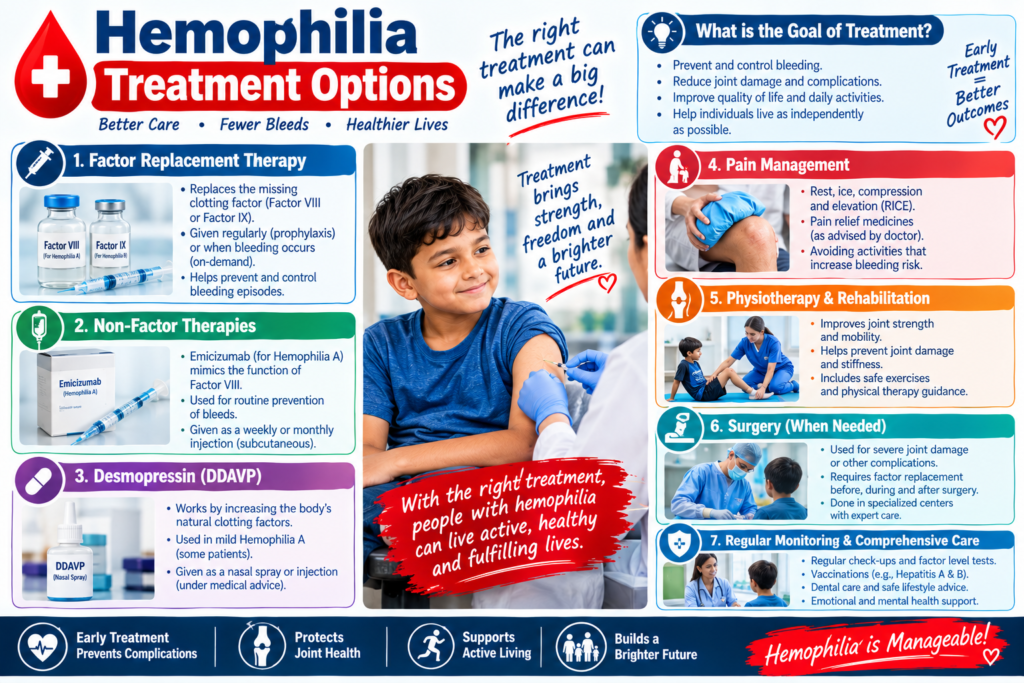
Although inherited hemophilia does not currently have a widely available permanent cure, several effective treatments can prevent or control bleeding.
Treatment depends on the type and severity of hemophilia, the person’s age, bleeding history, inhibitor status, and other medical needs.
Clotting Factor Replacement Therapy
Factor replacement therapy provides the missing clotting factor.
For hemophilia A, treatment may involve factor VIII concentrate. For hemophilia B, factor IX concentrate may be used.
Treatment can be given to control an active bleeding episode or prevent bleeding from occurring.
Some patients receive regular preventive treatment, known as prophylaxis. This can reduce bleeding episodes and help protect joints from long-term damage.
Non-Factor Preventive Treatment
Emicizumab is a medicine used to prevent bleeding in people with hemophilia A. It works by helping the clotting process function more effectively.
It can be used in certain patients with or without factor VIII inhibitors, depending on the clinical situation.
Other preventive treatments may be appropriate for selected patients, depending on the type of hemophilia and individual medical circumstances.
Desmopressin
Desmopressin, sometimes called DDAVP, can increase factor VIII levels in some people with mild hemophilia A.
It is not effective for everyone and is not a treatment for hemophilia B.
A doctor may perform testing to determine whether the medicine is appropriate.
Medicines for Bleeding Control
Antifibrinolytic medicines, such as tranexamic acid, may help control bleeding in certain situations, particularly bleeding involving the mouth or nose and some dental procedures.
These medicines are not suitable for every bleeding episode. Their use should be guided by a healthcare professional.
Gene Therapy
Gene therapy is an evolving treatment approach that aims to help the body produce clotting factor.
Certain gene therapies have received approval for selected adults with hemophilia A or B in some countries. Eligibility depends on the specific product, medical history, liver health, inhibitor status, and other factors.
Gene therapy is not appropriate for everyone and does not guarantee a permanent cure. Availability, cost, long-term outcomes, and monitoring requirements vary.
People considering gene therapy should discuss potential benefits and risks with a specialist at a hemophilia treatment center.
8. Home Care and Daily Management
Daily management can help people with hemophilia reduce injury risks and recognize bleeding early.
However, home care cannot replace prescribed preventive treatment or emergency medical assessment.
Follow the Treatment Plan
Take prescribed medicines as directed and attend scheduled medical appointments.
People receiving preventive treatment should understand when additional treatment may be necessary.
Protect the Joints
Avoid activities that create a high risk of serious injury unless a specialist has assessed the risks and advised appropriate precautions.
Use suitable protective equipment when participating in physical activities.
Maintain Oral Hygiene
Regular brushing, flossing, and dental checkups can help prevent gum disease and reduce the likelihood of needing invasive dental treatment.
Tell the dentist about the bleeding disorder before any procedure.
Exercise Safely
Appropriate physical activity can strengthen muscles, support joint function, and improve overall health.
Walking, swimming, and other low-impact activities may be suitable for many people, depending on their condition and treatment plan.
A doctor or physiotherapist familiar with hemophilia can recommend safe activities.
Keep Medical Information Accessible
Carry medical identification that states the type of hemophilia and important treatment information.
Keep emergency contact details and the treating specialist’s information readily available.
9. Diet and Nutrition for People With Hemophilia
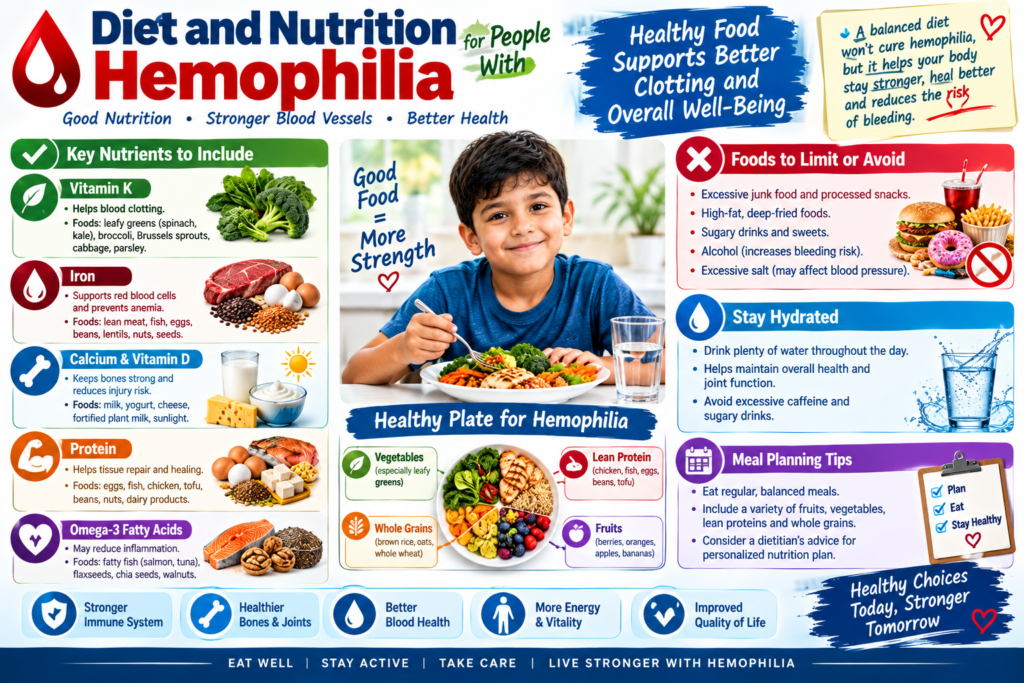
There is no specific food that cures hemophilia or replaces missing clotting factors.
However, a balanced diet supports general health and can help prevent complications associated with poor nutrition.
Eat a Balanced Diet
Include a variety of fruits, vegetables, whole grains, protein-rich foods, and appropriate sources of healthy fats.
A balanced diet supports energy levels, muscle function, and recovery.
Maintain a Healthy Weight
Excess body weight places additional stress on the knees, ankles, and other joints. Maintaining a healthy weight may help reduce joint strain.
Obtain Enough Calcium and Vitamin D
Calcium and vitamin D support bone health. Suitable sources include dairy products or fortified alternatives, eggs, and other foods appropriate to individual dietary needs.
Some people may need supplements if a healthcare professional identifies a deficiency.
Stay Hydrated
Drink adequate fluids throughout the day, adjusting intake for activity, weather, and individual medical needs.
Be Careful With Medicines and Supplements
Certain medicines, including aspirin and some nonsteroidal anti-inflammatory drugs, can increase bleeding risk.
Do not start painkillers, herbal remedies, or dietary supplements without checking with a healthcare professional who understands your bleeding disorder.
Dietary changes alone cannot prevent all bleeding episodes.
10. Complications of Hemophilia
Without appropriate management, hemophilia can lead to serious complications.
Joint Damage
Repeated bleeding into joints can cause inflammation, cartilage damage, stiffness, and chronic pain.
This condition is sometimes called hemophilic arthropathy.
Muscle Bleeding
Bleeding into muscles can cause pain, swelling, and pressure on nearby nerves or blood vessels.
Severe muscle bleeding requires urgent medical evaluation.
Internal Bleeding
Bleeding inside the abdomen, chest, or other organs may be difficult to recognize initially and can become life-threatening.
Intracranial Bleeding
Bleeding inside the skull is a medical emergency. A head injury in someone with hemophilia requires prompt assessment according to their emergency care plan.
Anemia
Repeated or significant blood loss can lower hemoglobin levels and cause fatigue, weakness, dizziness, or shortness of breath.
Inhibitors
Some people develop antibodies that reduce the effectiveness of clotting-factor replacement therapy.
Specialist treatment can help manage this complication.
Regular medical monitoring and appropriate preventive treatment can reduce the likelihood of many serious complications.
11. Can Hemophilia Be Prevented?
Inherited hemophilia cannot generally be prevented through diet, exercise, or lifestyle changes because it results from genetic changes.
However, several measures can reduce bleeding-related complications.
Genetic counseling: Families with a history of hemophilia can discuss inheritance patterns, testing options, and reproductive choices with qualified professionals.
Early diagnosis: Identifying hemophilia allows patients to begin appropriate care before serious bleeding occurs.
Preventive treatment: Prescribed prophylaxis can reduce bleeding episodes and protect joints.
Injury prevention: Using appropriate protective equipment and choosing suitable activities can help lower the risk of injury.
Medical planning: Inform healthcare professionals and dentists about hemophilia before procedures or new treatments.
Pregnancy planning: Women who carry hemophilia-related genetic changes or have hemophilia may benefit from specialist care before and during pregnancy and delivery.
For acquired hemophilia, prevention is not always possible because the condition may develop unexpectedly. Prompt recognition and treatment are important.
12. Living With Hemophilia
Living with hemophilia can involve regular treatment, medical appointments, and careful planning, but many people manage the condition successfully.
Children with hemophilia can attend school, build friendships, and participate in appropriate physical activities. Parents and teachers can work with healthcare professionals to understand the child’s needs and emergency plan.
Adults can pursue education, employment, relationships, and many recreational activities.
Emotional support is also important. Living with a chronic bleeding disorder may cause anxiety about injuries, treatment costs, or future health.
Support groups, counseling, and communication with healthcare teams can help individuals and families manage these challenges.
Access to treatment differs across countries and healthcare systems. Hemophilia treatment centers and patient organizations may provide education, referrals, and information about available support programs.
Frequently Asked Questions (FAQ)
1. What is hemophilia?
Hemophilia is a bleeding disorder in which the blood does not clot properly because of low levels or impaired function of certain clotting factors.
2. What are the main types of hemophilia?
The two main inherited types are hemophilia A, involving factor VIII, and hemophilia B, involving factor IX.
3. What are the early symptoms of hemophilia?
Symptoms may include easy bruising, prolonged bleeding, repeated nosebleeds, and swelling or pain caused by bleeding into joints or muscles.
4. Is hemophilia hereditary?
Hemophilia A and B are usually inherited genetic conditions. However, some cases result from new genetic changes without a known family history.
5. Can women have hemophilia?
Yes. Women and girls can have hemophilia and may experience clinically significant bleeding. They should receive appropriate evaluation and treatment.
6. Can hemophilia be cured?
There is no widely available permanent cure for all inherited hemophilia. Factor replacement, preventive medicines, and certain gene therapies can help manage the condition.
7. What foods should people with hemophilia eat?
A balanced diet containing fruits, vegetables, whole grains, protein, and suitable sources of calcium and vitamin D supports overall health. No food can cure hemophilia.
8. Is hemophilia contagious?
No. Hemophilia is not spread through physical contact, food, or ordinary social interaction.
9. Can people with hemophilia exercise?
Yes. Appropriate exercise can improve muscle strength and joint health. Activities should be selected with guidance from a healthcare professional familiar with hemophilia.
10. When should someone with hemophilia seek emergency care?
Emergency assessment is necessary after a head injury, with severe or persistent bleeding, sudden neurological symptoms, breathing difficulties, or suspected internal bleeding.
Conclusion
Hemophilia is a serious but increasingly manageable bleeding disorder that affects the body’s ability to form blood clots. Hemophilia A and B are usually inherited conditions involving deficiencies of clotting factors VIII and IX, while acquired hemophilia develops through a different process involving antibodies against clotting proteins.
Symptoms can range from prolonged bleeding after injuries to spontaneous bleeding into joints and muscles. Early diagnosis, specialist care, preventive treatment, and a suitable daily management plan can help reduce complications and improve quality of life.
Modern treatments, including clotting-factor replacement, preventive medicines, and certain gene therapies, have expanded the options available to many patients.
Anyone experiencing unexplained or prolonged bleeding should seek medical evaluation. People who already have hemophilia should follow their prescribed treatment plan and seek urgent medical care for potentially serious bleeding.
With accurate information, appropriate treatment, and ongoing support, people with hemophilia can manage many of the challenges associated with the condition and lead active, fulfilling lives.
Medical disclaimer: This article is for educational purposes only and is not a substitute for professional medical advice, diagnosis, or treatment. Consult a qualified healthcare professional for personal medical guidance.
Hemophilia
Hemophilia symptoms
Hemophilia causes
Hemophilia treatment
Types of hemophilia
Hemophilia A
Hemophilia B
Hemophilia diagnosis
Hemophilia in children
Hemophilia in women
Hemophilia genetic disorder
Hemophilia bleeding disorder
Hemophilia prevention
Hemophilia complications
Living with hemophilia
Hemophilia treatment options
Blood clotting disorders
Hemophilia diet
Hemophilia gene therapy
Hemophilia health information 2026


[…] The inferior vena cava carries blood from the lower part of the body, including the abdomen, pelvis, and legs.Hemophilia health information 2026 […]