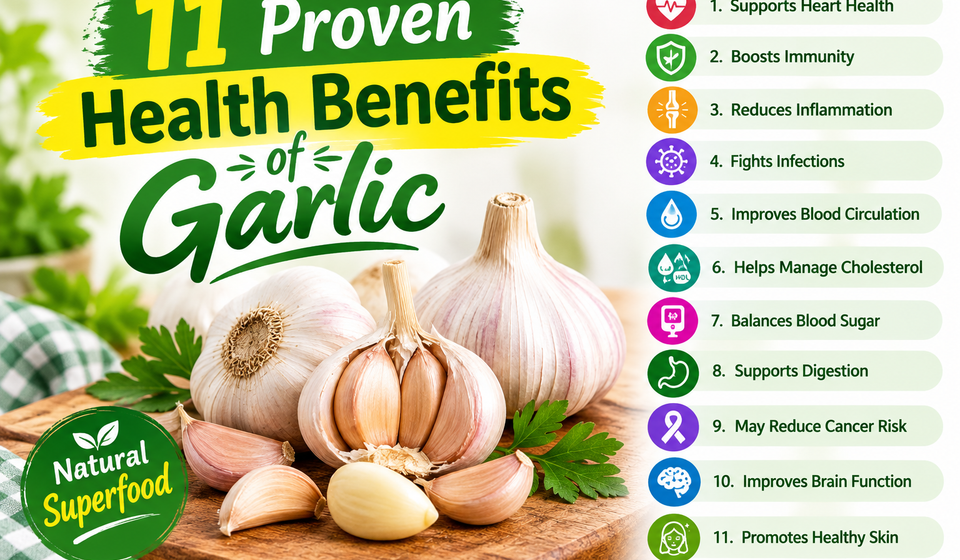


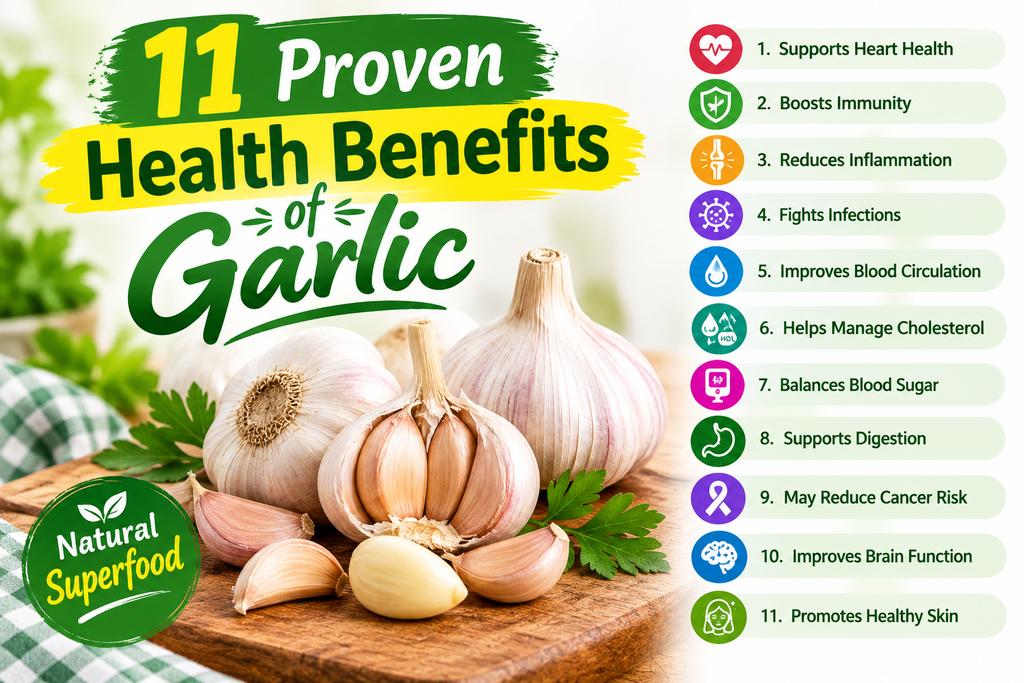
11 Proven Health Benefits of Garlic: Powerful Reasons to Add Garlic to Your Diet
Discover 11 proven health benefits of garlic, including heart health, blood pressure, cholesterol, immunity, blood sugar support, and more.
Important: Garlic can be part of a healthy diet, but it should not replace prescribed medicines or medical treatment.
Table of Contents
- What Makes Garlic Healthy?
- 11 Health Benefits of Garlic
- How to Add Garlic to Your Diet
- Raw Garlic vs Cooked Garlic
- Garlic Safety and Possible Side Effects
- Frequently Asked Questions
- Final Thoughts
What Makes Garlic Healthy?
Garlic, scientifically known as Allium sativum, contains sulfur-containing compounds and other plant compounds that researchers have investigated for their possible effects on cardiovascular and metabolic health.
One compound that receives considerable attention is allicin, which can form when garlic is crushed or chopped. The amount and availability of these compounds can vary depending on how garlic is prepared.
Research suggests that garlic supplements may have modest effects on cholesterol, blood pressure and blood sugar in certain groups, although results vary depending on the garlic preparation and the people studied.
11 Health Benefits of Garlic
1. May Support Heart Health
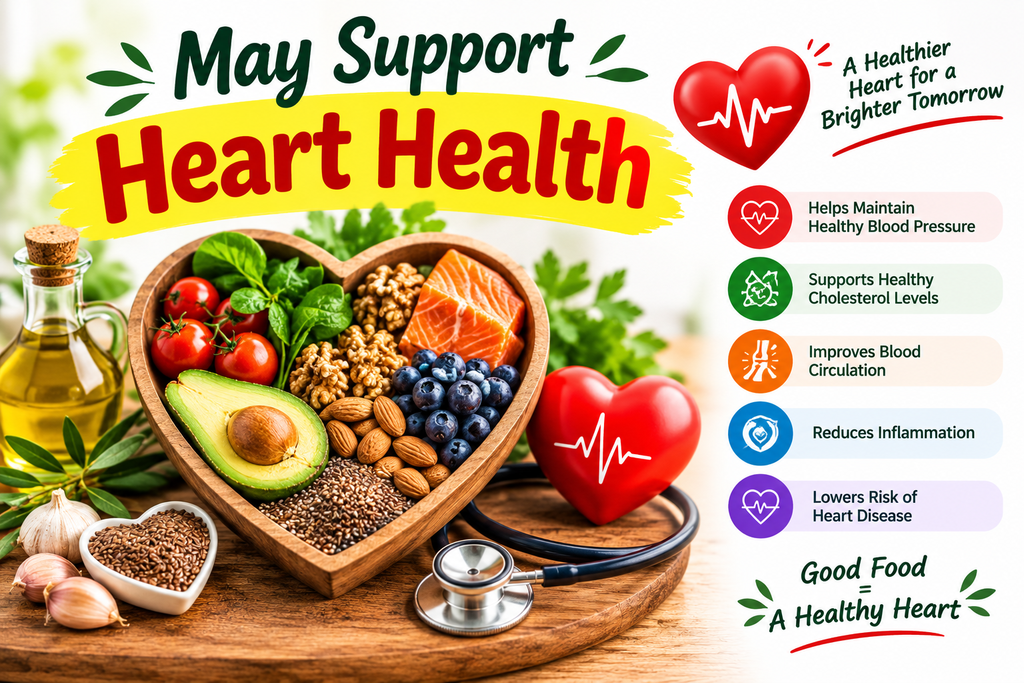
One of the most researched health benefits of garlic is its potential connection with cardiovascular health.
A 2026 systematic review and meta-analysis of 108 randomized controlled trials involving more than 7,000 participants found that garlic supplementation was associated with improvements in several cardiovascular risk markers, including total cholesterol, LDL cholesterol, triglycerides and blood pressure.
However, these findings do not mean garlic supplements can prevent or cure heart disease. More research is needed to determine the long-term clinical benefits.
2. May Help Maintain Healthy Blood Pressure
High blood pressure is an important cardiovascular risk factor.
Several studies have investigated whether garlic preparations can modestly lower blood pressure. Research summarized by the National Center for Complementary and Integrative Health (NCCIH) suggests garlic supplements may reduce blood pressure by a small amount in people with high blood pressure.
Garlic should therefore be viewed as a possible part of a healthy lifestyle rather than a replacement for blood-pressure medication.
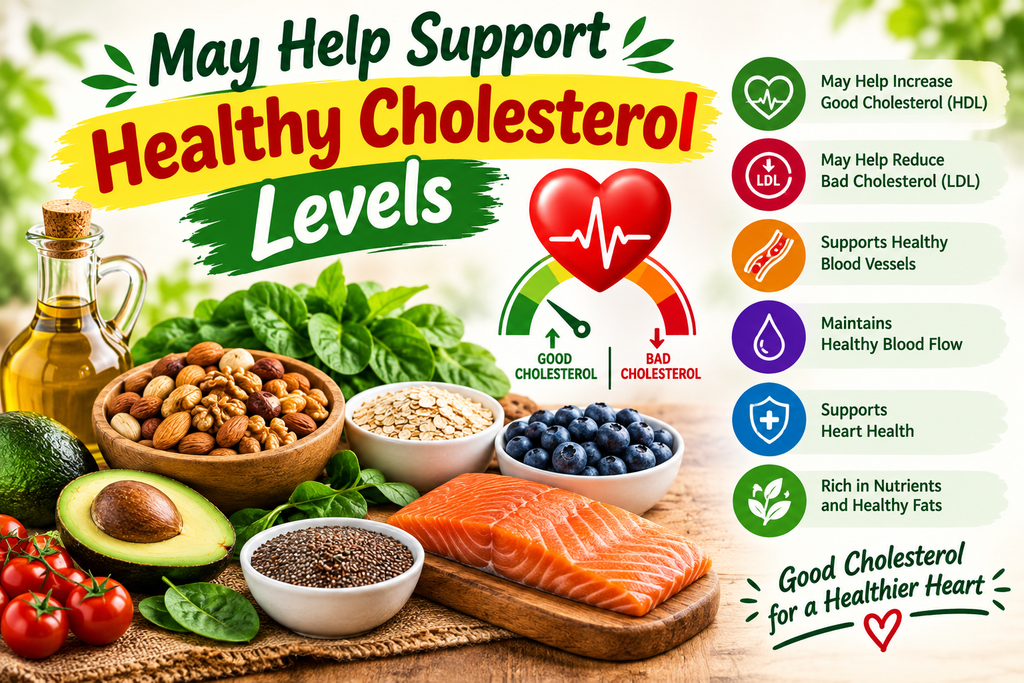
3. May Help Support Healthy Cholesterol Levels
Another well-studied benefit is garlic’s potential effect on cholesterol.
NCCIH reports that garlic supplements may slightly reduce total cholesterol and LDL cholesterol in people with high blood cholesterol.
A recent meta-analysis also found improvements in several lipid measurements following garlic intake.
For best results, garlic should be combined with other heart-healthy habits such as eating vegetables, whole grains, legumes, nuts and healthy fats.
4. May Support Healthy Blood Sugar
Garlic has also been studied for its possible effects on blood glucose.
The NCCIH notes that garlic supplements may reduce blood sugar by a small amount in people with diabetes.
This does not mean garlic can treat diabetes. People with diabetes should continue following their healthcare professional’s treatment and nutrition recommendations.
5. Contains Antioxidant Compounds
Garlic contains compounds that have antioxidant activity.
Antioxidants help protect cells from oxidative stress caused by reactive molecules. Garlic’s sulfur-containing compounds are among the reasons researchers continue to study its biological effects.
Including garlic as part of a varied diet can therefore contribute plant compounds to your meals.
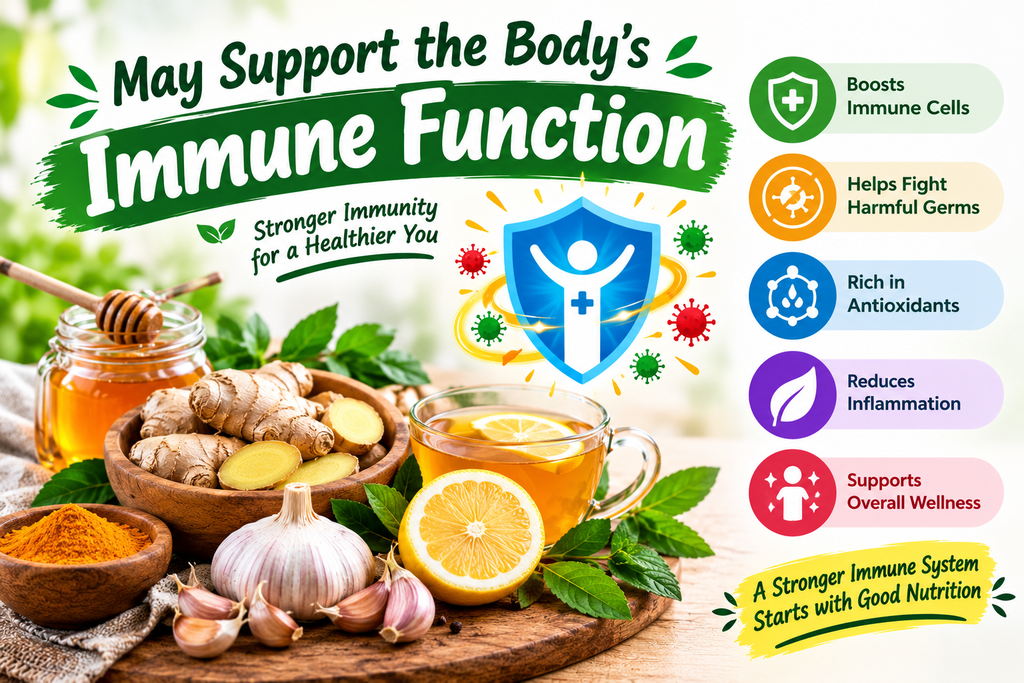
6. May Support the Body’s Immune Function
Garlic is often promoted as an immune-supporting food, particularly during cold and flu season.
However, the evidence is more limited than many online claims suggest. NCCIH states that only a small amount of research has examined garlic supplements for immune-related outcomes, and the available studies have limitations.
So, garlic can be included in a balanced diet, but it should not be considered a guaranteed way to prevent infections.
7. May Have Antimicrobial Properties
Laboratory research has found that compounds derived from garlic can show antimicrobial activity.
This is one reason garlic has attracted scientific interest. However, laboratory findings do not automatically mean that eating garlic will treat an infection in humans.
If you have an infection or persistent symptoms, seek appropriate medical care rather than relying on garlic as a treatment.

8. May Support Metabolic Health
Healthy cholesterol, blood sugar and blood pressure are all important parts of metabolic health.
The recent evidence on garlic supplementation suggests possible modest improvements in several of these markers, especially among people with unfavorable baseline risk factors.
This makes garlic an interesting addition to an overall healthy eating pattern.
9. May Help Support a Heart-Healthy Diet
Garlic is naturally flavorful and can make healthy meals more enjoyable without requiring large amounts of added sauces or highly processed seasonings.
You can use garlic with vegetables, beans, lentils, whole grains, soups and lean protein sources.
For more healthy eating ideas, you can also explore the health and nutrition articles on your website:
Explore more health and nutrition articles
10. Provides Useful Plant Compounds
Garlic contributes sulfur-containing compounds and other naturally occurring substances to the diet.
Although garlic is normally consumed in relatively small quantities, its distinctive combination of plant compounds makes it a valuable culinary ingredient.
Eating a variety of vegetables, fruits, whole grains, beans, nuts and seeds is still more important than relying on any single food.
11. May Complement an Overall Healthy Lifestyle
Perhaps the most practical of the health benefits of garlic is that it is easy to include in everyday meals.
Garlic can add flavor to nutritious foods such as vegetables, soups, dals, beans and whole grains. When combined with regular physical activity, adequate sleep and a balanced diet, these habits can contribute to overall wellness.
Garlic is not a miracle food, but it can be a useful part of a healthy eating pattern.
How to Add Garlic to Your Diet
There are many simple ways to enjoy garlic:
- Add chopped garlic to vegetable dishes.
- Mix roasted garlic into soups.
- Add garlic to homemade salad dressings.
- Use garlic with lentils, beans or chickpeas.
- Add minced garlic to stir-fried vegetables.
- Combine garlic with herbs and olive oil.
- Use garlic in homemade sauces and marinades.
If you are interested in healthy eating, you can also connect this article with your other nutrition content:
Read more healthy eating content
Raw Garlic vs Cooked Garlic
Raw garlic and cooked garlic can differ in their chemical composition.
Crushing or chopping garlic allows certain sulfur compounds to form. Cooking can then change the amount and activity of some of these compounds.
There is no need to eat large amounts of raw garlic to obtain its potential benefits. Raw garlic can cause heartburn, stomach discomfort and strong breath in some people.
For most people, using garlic as a regular culinary ingredient is a practical approach.
Garlic Safety and Possible Side Effects
Garlic is generally considered safe when consumed in normal food amounts.
However, larger amounts or garlic supplements can cause side effects such as:
- Bad breath
- Body odor
- Heartburn
- Abdominal discomfort
- Gas
- Nausea
- Allergic reactions
Garlic supplements may also increase bleeding risk. People taking anticoagulants or aspirin, or people preparing for surgery, should speak with a healthcare professional before using garlic supplements.
Fresh raw garlic should not be applied directly to the skin because it can cause severe irritation and chemical burns.
For detailed safety information, see the official NCCIH resource:
NCCIH: Garlic — Usefulness and Safety
Frequently Asked Questions
Is eating garlic every day healthy?
For most people, garlic used in normal food amounts can be part of a healthy diet. There is no need to consume excessive amounts to obtain potential benefits.
Does garlic lower blood pressure?
Research suggests garlic supplements may modestly lower blood pressure in some people with hypertension. Garlic should not replace prescribed blood-pressure treatment.
Can garlic lower cholesterol?
Some research suggests garlic supplements may produce small reductions in total and LDL cholesterol, particularly in people with elevated cholesterol.
Is raw garlic better than cooked garlic?
Raw and cooked garlic have different chemical properties. Raw garlic can be more irritating to the stomach, so there is no requirement to eat it raw.
Can garlic prevent colds?
Evidence is currently insufficient to conclude that garlic reliably prevents or treats the common cold. Garlic should not replace medical treatment.
Scientific Resources
For readers who want to explore the evidence further, these authoritative resources are useful:
National Center for Complementary and Integrative Health — Garlic
PubMed — 2026 Systematic Review and Meta-Analysis of Garlic Supplementation
PubMed — Garlic and Cardiovascular Risk Factors
These links provide readers with access to the underlying scientific literature and health information.
Final Thoughts
The health benefits of garlic have been studied extensively, particularly in relation to cholesterol, blood pressure, blood sugar and cardiovascular risk factors. Current evidence suggests that garlic may provide modest benefits for some health markers, but it is not a cure or replacement for medical treatment.
The easiest approach is to use garlic as part of a varied, nutrient-rich diet. Add it to vegetables, soups, beans, lentils and other healthy meals for flavor and beneficial plant compounds.
As with any supplement, concentrated garlic products should be used carefully, especially if you take medications that affect blood clotting.
A healthy lifestyle is built from many small habits—not one “miracle” ingredient.